Showing posts with label books. Show all posts

Apr 11, 2013

JK Rowling: Paikka vapaana

Kesti kauan ennen kuin sain avattua JK Rowlingin uuden kirjan. Melkein seitsemän kuukautta. Sain suomennoksen joululahjaksi, mutta lykkäsin lukemisen aloittamista pohtimalla, että voinkohan minä nyt oikeasti lukea tämän kirjan suomeksi. Minulle tuli joku typerä ajatus, että jos luen kirjan suomeksi, en ole oikeasti lukenut sitä, en niin kuin Rowling sen tarkoitti luettavaksi. Kuinka voisin vertailla kirjoitustyyliä ja sanavalintoja kirjailijan aikaisempiin teoksiin kun lukisin oikeastaan vain suomentajan tekstiä? Nuo aikaisemmat teoksethan ovat syy siihen, miksi minäkin haluan lukea The Casual Vacancyn. Samalla aikaisempi tuotanto on myös se asia, joka teki lukemisen aloittamisesta hieman nihkeää. Miten tämän kirjan voisi ikinä lukea olematta vähintään hippusen pettynyt? Miten se voisi ikinä vastata odotuksiin? Miten sitä voisi olla vertaamatta siihen maagiseen seitsemän kirjan sarjaan, jonka voittanutta maailmasta tuskin ikinä tulee löytämään?

Lopulta järjistyin sen verran, että karistin epäilykseni sekä kirjaa että suomen kieltä kohtaan ja avasin hyllyssä säälittävän kauan odotelleen painokseni. Yhteys Harry Potteriin oli hyvä sysätä mielestä, ja näiden kahden totaalisen erilaisen maailman oli helppo unohtaa olevan peräisin samasta mielikuvituksesta. Suomeksi lukemiseen tottui tietenkin nopeasti, ja vain ajoittain, esimerkiksi slangia ja kiroilua ja muuta kulttuurisidonnaista dialogia lukiessani, toivoin rinnalle alkuperäiskäännöstä. Jossain vaiheessa toki minun on pakko lukea myös Rowlingin ihkaoma teksti, mutta Ilkka Rekiaron suomennos on oikein hyvä. Eikä tarina miksikään muutu vaikka kieli muuttuukin. Tässäpä siis ajatuksiani JK Rowlingin Paikka vapaana -kirjasta, ihan omalla kotimaisellani tällä kertaa. Tuntuu vähän oudolta, mutta niin tuntui sekin kun aloitin kirjoittamaan tätä postausta englanniksi. Luin kirjan suomeksi, joten ajatuksetkin muodostuivat suomeksi. Anteeksi pilkkuvirheistä ja typeristä lauserakenteista. Useamman kerran olen joutunut käyttämään sanakirjaa: 'Mikäs se narrow-minded onkaan suomeksi...?'. Ehkä tämä on kovinkin tarpeellista harjoitusta kanditutkielman kypsyysnäytettä varten...

*

Englantilaisesta Pagfordin pikkukaupungista löytyy pelkästään surkeita ihmiskohtaloita. Ihmiset ovat pikkumaisia, masentuneita, harhaluuloisia, katkeria, itsekkäitä, kyynisiä, pinnallisia, säälittäviä, vahingoniloisia, välinpitämättömiä, teeskenteleviä tai yksinkertaisesti inhottavia. Rowling kuvaa laajan hahmokavalkadinsa ajatuksia brutaalin rehellisesti, kaunistelematta, niitä kaikkein kuvottavimpiakaan yksityiskohtia salaamatta. Padfordissa ei ole hyviä, jaloja, tai vilpittömän onnellisia ihmisiä. Hahmoihin tutustuessa haluat kiintyä herttaisen oloiseen rouvaan tai harmittomaan aviomieheen, mutta oletukset herttaisuudesta ja harmittomuudesta murskataan muutaman lauseen kuluttua. Vanhukset ovat ahdasmielisiä ja itsekeskeisiä, aviomiehet ovat kamalia vaimoilleen, jotka vastineeksi ovat kamalia aviomiehilleen, ja teinit ovat ahdistuneita, ilkeitä ja epäsympaattisia. Mitä näistä hahmoista pitäisi ajatella? Onko minun tarkoitus kiintyä näihin säälittäviin ihmisiin? Miten muka pystyn välittämään heidän kohtaloistaan?

Rowling kertoo miten. Tai ei kerro, mutta antaa vain yhden vaihtoehdon: Jatka lukemista. Olin päässyt kirjassa melkein puoleen väliin kun ajattelin, 'ei tässä oikeastaan mitään ole tapahtunut, mutta hyvä kirja tämä silti on'. Kirja tempaisee mukaansa, joskaan ei samalla, riemastuttavalla tavalla kuin vaikka Potterit. Lukemista on kuitenkin pakko jatkaa, ja viimeiset luvut tuleekin ahmittua melkein kuin Deathly Hallowsin loppu konsanaan: kirjan alas laskeminen ei ollut vaihtoehto. Hahmot tulevat pikku hiljaa tutuiksi (niiden listaaminen paperille oli hyvä idea: keskeisiä hahmoja on nimittäin enemmän kuin sormillaan pystyy laskemaan), ja kyllä vain, niistä oppii välittämään, kuin vaivihkaa. Ilkeydelle löytyy syy, ja se alkaa jopa vaikuttaa sankarilliselta. Pikkumaisuuden voi antaa anteeksi kun saa kurkata hahmon menneisyyteen. Ymmärrät miksi vaimo on niin välinpitämätön miestänsä kohtaan. Saat katsoa tuskallisen läheltä mitä huumekierre saa aikaan koko perheessä. Myötätunto ja kiintymys nostavat päätään, ja lopuksi tunnet ripauksen sympatiaa jopa sitä kaikista vastemielisintä hahmoakin kohtaan. Uskomatonta, mutta totta.

Kirjan hahmovalikoiman laajuudesta sen verran, että se oli minusta ihan mahtavaa. Kaikkien hahmojen tarinat nivoutuvat yhteen tavalla tai toisella, ja oli vaan todella kiehtovaa lukea samoista tapahtumista ja ihmisistä useammasta näkökulmasta. Jotkut hahmot tietysti kiehtovat enemmän kuin toiset. Teinien edesottamuksista luin kiinnostuneempana kuin paikallispolitiikaa päivittelevien keski-ikäisten, mutta se varmaan johtuu vain siitä, että itse olen tähän mennessä kokenut teini-iän, mutten keski-ikää. Ne harvat sympatiaani koko ajan nauttineet hahmot olivat nimenomaan nuorta polvea. Heidän moraalittomat tekonsa ja karut ajatuksensa antaa helpommin anteeksi kuin aikuisten, koska syyn kaikkeen löytää lähempää, vanhemmista ja ympäristöstä, ja inhottavuuden keskeltä huomaa silti vielä pilaantumatonta lapsen viattomuutta ja toiveikkuutta.

Tapahtumat saavat siis alkunsa Barry Fairbrother -nimisen miehen äkillisestä ja koruttomasta kuolemasta, jonka myötä paikallisvaltuustoon vapautuu kallisarvoinen ja haviteltu paikka. Kunnallisvaalien ympärille rakentuvan tarinan ei odottaisi olevan niin mukaansatempaava, kiehtova ja syväluotaava kuin Paikka vapaana lopulta on. Ihmiskohtalot kietoutuvat yhteen, syyt ja seuraukset johtavat uusiin, ja pienet asiat sysäävät liikkeelle suuria, elämää mullistavia tapahtumia. Kaikki tarinat saavat omanlaisensa päätöksen; ei ehkä onnellisen, mutta lukijan tyydyttävän. Elämä jatkuu, ja voit vain toivoa, että Pagfordin asukkaat ovat Barry Fairbrotherin kuoleman käynnistämien tapahtumien seurauksena ottaneet edes hieman opikseen karun elämän opetuksista.

Paikka vapaana oli minusta todella masentava. Haluan aina uskoa ihmisistä hyvää, ja tämä kirja teki siitä todella vaikeaa. Koska eivät pelkästään Pagfordin asukkaat ole kamalia, vaan kaikki ihmiset. Hahmojen ajatusten kuvaukset ovat piinallisen realistisia, ja niistä tunnistaa ihmisluonnon perusominaisuuksia. Katsot ympärillesi ja näet, että maailma on oikeasti ihan yhtä typerä kuin fiktiivinen Pagford. Ahdistavinta on kuitenkin nähdä palanen itseään siellä täällä tuossa kamaluuksien ja yksityisten, häpeällisten ajatusten vyyhdissä. Halusin tehdä eron itseni ja lähiympäristöni, ja kirjan säälimättömän ihmiskuvauksen välillä, mutta pakkohan se oli myöntää, että kaikissa meissä on pikkumaisuutta, ilkeyttä, itsekkyyttä ja inhottavuutta. Jollain lailla tämän myöntäminen tuntuu myös vapauttavalta.

Kirjan luettuani en kuitenkaan tuntenut oloani yhtään niin masentuneeksi kuin odottaa saattoi. Jouduin räpyttelemään kyyneleitä ja sydäntä väänsi se, kuinka kamala paikka maailma on, mutta masentuneisuutta en tuntenut. En kyllä oikeastaan tiedä mitä tunsin, mutta jotain aika suurta se oli. Sitten tietysti tunsin velvollisuutta rakentaa jonkinlainen alttari Joanne Rowlingille. Jestas, mikä tarinankertoja.

Dec 21, 2010

A book that goes ever on and on...


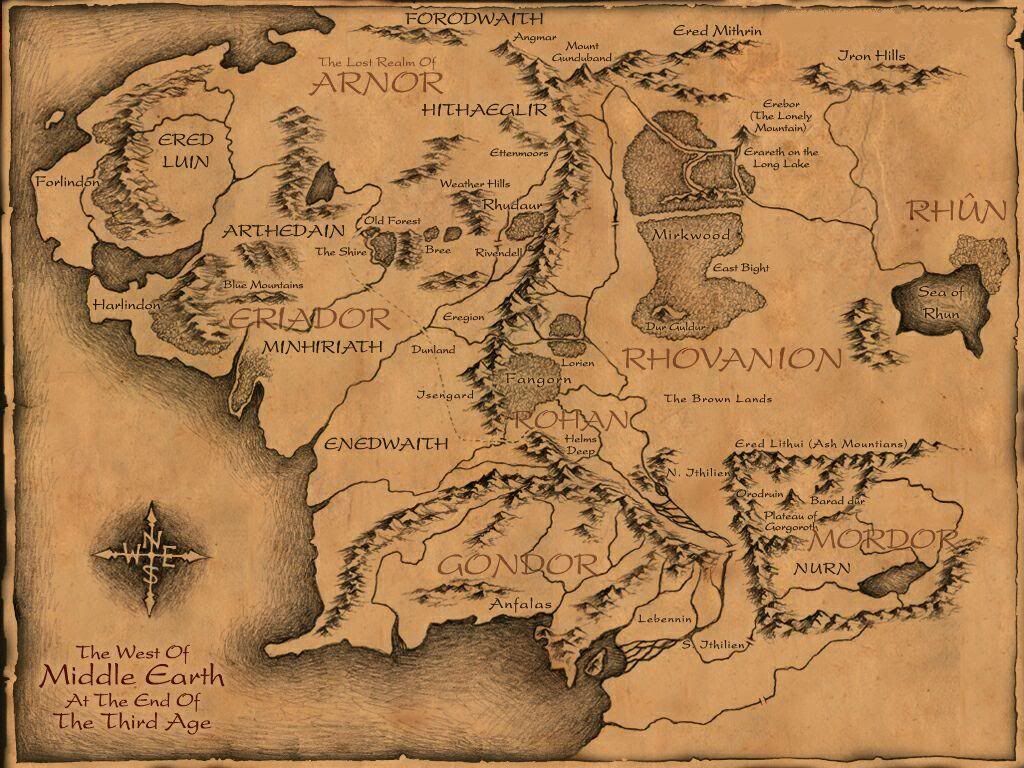
I guess everyone has or has had some never-ending projects - a pair of woollen socks waiting to be knitted, an autobiography to be written, an old record-player to be repaired... Or a three-part fantasy epic to be read. Yes, I'm talking about The Lord of the Rings trilogy. Even since I saw the first film I've been meaning to read the books, just so I wouldn't feel like a lesser person amongst all the hardcore fans, who could quote Tolkien anywhere, anytime, tell about their day in Elvish and recite the family tree of Aragorn. Twice I began to read the books, twice I made it half way through The Two Towers, twice I got bored at the Sam and Frodo part and twice I gave up and told myself, and everyone else, 'some day, some day I'll finnish the damn books'. Well, guess what? I just did! And it took me much less than a decade! Should I uncork a bottle of champagne to celebrate?

Last New Year, in the presence of multiple witnesses, I made a resolution to finally get the trilogy over and done with. I was determined this time, and decided to try it in English for a change. It wasn't always easy, nor very pretty, and I admit I skipped the introduction and all the songs and the appendices, and as often as it was a joy, it was a necessity, which I waded through one page at a time, but who cares, now it's done and I'm happy and I'm not doing it again anytime soon.

I can almost see all the devoded Tolkien fans glaring at me angrily as they're sharpening their axes, so let me correct myself a little. I'm not saying The Lord of the Rings is a crappy excuse for a book. No, oh no. I hugely respect Mr. Tolkien for the enormous job he's done in creating a new world from scratch, a world full of amazing characters and stories to be told. It is not in any way an insult towards the books when I say I'll happily stick to the films in the future. I know the books are extremely well written. They're just not for me. For me, they're mostly just plain boring. I'm a child of my era - an era that appreciates straightforward storytelling, swift turns of events, and doesn't take the time to describe in fancy words what one had for dinner or what kind of landscape one is passing by or what happened during those three unevetful days of traveling. 

All respect and glory for Tolkien and Middle-Earth, but I'll leave my copies of the novels to gather dust on the shelf for now, and to wait for the day when I might get more out of them, and instead look forward to The Lord of the Rings Extended Edition Marathon that I'm planning to execute during the Christmas break. Also, now I'll get to grap the first book of the huge pile of seven books that has been tempting me for the past days. Privet Drive, here I come! It's been too long!

Dec 20, 2010

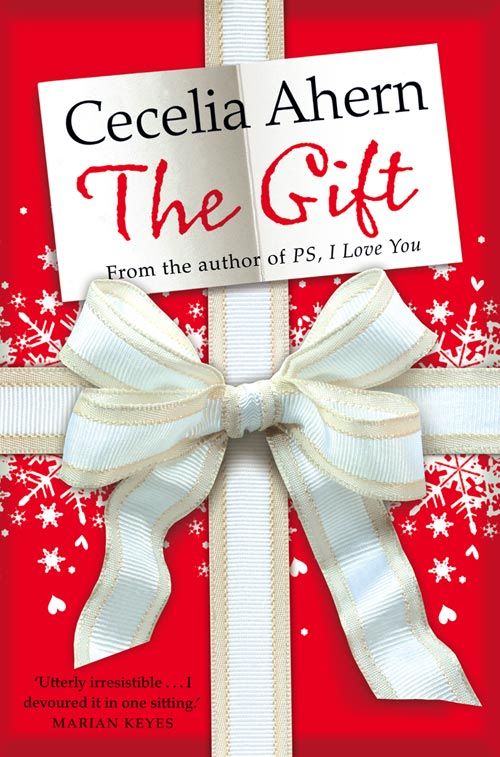
A Christmas Tradition vol. 3: The Gift by Cecelia Ahern

When it comes to Chick Lit - literature targeted to women in particular - I'm not the biggest consumer... I've never read anything by Marian Keys, nor one single Harlequin (I've been thinking I should, though, just for the experience, haha).

Cecelia Ahern, however, has quite a special place in my heart, and my book shelf, too! I regard her book If You Could See Me Now as one of my favourite books ever, and have read every book she's published so far. Some I have liked more than others, but in general I love her writing. I'm not even sure if you can actually categorize her books as Chick Lit - the characterictics of the genre (young woman as the main character, looking for love, has a cool job, likes shoes, etc.) don't really apply to them. Her first novel, P.S. I Love You (of which they also made that lousy movie), is closest to the describtion, I think. After the first two books (second one is called Where Rainbows End, and it consists entirely of emails, letters and IM-messages the characters write to each other - I love that book, it's really quite brilliant) she's gone to a slightly different direction, treating the stories with a touch of magic; they're never about wizards or goblins or anything such, rather of something with a sense of supernatural, often left unexplained.

The Gift is one of Ahern's more recent novels. It is a seasonal story, which makes it my Christmas Tradition vol. 3, though 'tradition in the making' would be a better way to describe it, as this is only the second year in a row when I read it. Anyway. The Gift can't most definitely be called Chick Lit, as pretty much every major character in it is male.

Lou Suffern always had two places to be at at the one time. When asleep, he dreamed. In between dreams, he ran through the events of that day while making plans for the next, so that when he was awakened by his alarm at six a.m. every morning, he found himself to be poorly rested. When in the shower, he rehearsed presentations and, on occasion, with one hand outside of the shower curtain he responded to emails on his Blackberry. While eating breakfast he read the newspaper, and when being told rambling stories by his five-year-old daughter, he listened to the morning news. When his thirteen-month-old son demonstrated new skills each day, Lou's face displayed interest while at the same time the inner workings of his brain were analysing why he felt the exact opposite. When kissing his wife goodbye, he was thinking of another.

You get the picture. Lou, the main character, is a very very busy man, and sometimes such an unbelievable jackass, that you'd love to just give him a nice slap on the cheek to wake him up. He does get a wake-up call, eventually, after meeting Gabe, a homeless man, who sits in front of his office building. Lou does Gabe a favour (and himself, too, because of course there's something in it for Lou, too), and gives him a job. Gabe soon reciprocates by giving Lou a gift that shakes his world to its very core.

The Gift is about the pricelessness of time and recognizing the truly important things in life. The book delivers its message in an compelling, enchanting way, with quite a few grins and a sudden surge of tears. Ahern's books somehow always manage to fill me with that certain kind of emotion - like an enlightened appreaciation of life or a shot of positive energy that gives you a nice little push on the rear.

Sep 19, 2010

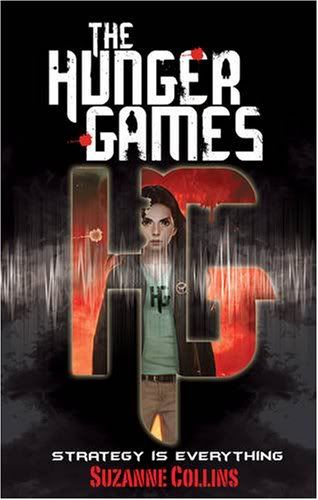
Suzanne Collins: The Hunger Games - so I'm not immune, either


I lift my chin and stand as straight as I can. The cylinder begins to rise. For maybe fifteen seconds, I'm in darkness, and then I can feel the metal plate pushing me out of the cylinder, into the open air. For a moment, my eyes are dazzled by the bright sunlight and I'm conscious only of a strong wind with the hopeful smell of pine trees.
   Then I hear the legendary announcer, Claudius Templesmith, as his voice booms all around me.
   "Ladies and gentleman, let the Seventy-fourth Hunger Games begin!"

For a long time I kept hearing things about these books. How they were so amazing and best-sellers all over the world and rapidly becoming the new phenomenon to replace the Twilight series (good luck with that... sigh). I always knew I'd read these some day - the idea sounded fascinating and my taste (in books and in films, too) usually goes with the flow, pretty much hand in hand in the mainstream's taste.

Earlier this week I checked if the first book happened to be available at my local library. And it was! And so was the original version (I definitely prefer reading a book in English, if that's the original language. I can't remember what was the last time I read fiction in Finnish... It somehow sounds very stiff and clumsy to me)! And it wasn't on loan at the moment! And when I went to fetch it I found the second book right next to it! Knowing me and my mainstream-like taste, I borrowed it, too. Good thing I did, I'll begin with it later today. (Actually I did already. My hands felt a bit empty while I was having lunch.) I might have to buy the third one online, who knows when it'll reach our little library, since it only came out last month.

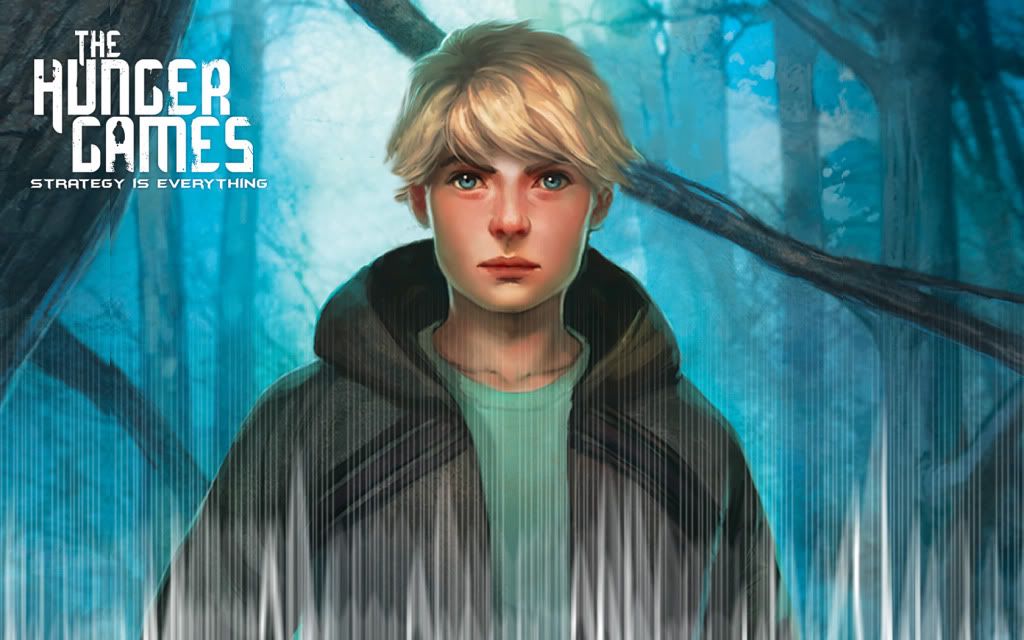
 The Hunger Games takes place in the near future, in Panem - a country that rose out from the ashes of North America. Panem was divided into 13 Districts, and all was swell until the Dark Days and the rebellion of District 13. The District was destoryed, and Capitol - the central city of Panem, from where the goverment holds power over the whole country - creates the Hunger Games to demonstrate how feeble and powerless the people in the Districts are.

Every year a boy and a girl  from each District is chosen to compete in the Hunger Games. The idea is simple: the contestants, called tributes, are left in a huge outdoor arena by themselves and the last one alive wins. Everything is televised, and made into a massive media event, with gambling, sponsors, stylists and interviews... prompting - or forcing - people to regard the Games as high-class entertainment.

Katniss Everdeen is a sixteen-year-old girl, living in District 12 with her mother and little sister. They lead a very simple life, living from hand to mouth. Since the death of her father, Katniss has been forced to keep the family alive, bringing the food to the table by hunting and gathering illegally outside the city walls. This has really toughed her up and taught her survival skills that will be vital for her as she ends up volunteering to be a tribute in the place of her sister. The boy tribute from her District is Peeta Mellark, who once helped Katniss' family, and so she feels she already ows him. Which of course isn't good, knowing they soon have to try and kill each other.

The Hunger Games is a real page turner, just like everyone's been saying. It's suspenseful, fascinating despite the dark and grim nature of the subject, it keeps you in its grip and makes you want to glance a page or two ahead, or the last page, just to learn how it ends and let yourself breath normally again, but you don't because you know a fastening pulse is only a good thing in a case like this and anticipation isn't always the worst part.

I grew very fond of the characters. No main character syndrome this time (meaning, I liked them unlike I often do). Katniss is very cool - fiery, termperamental, witty, smart and cabable, harded by life, but still kind-hearted and empathic under that shell. Peeta stole my heart at once, and I was glad to let him. He is just very likable without being boring. He's very sincere, yet there's always that little mystery about him. As much as I enjoyed the brutal action and surviving and struggling to stay alive, the romantic aspect of the book really worked for me, too.

The Hunger Games is a violent book, of course, but it's not gorging with the blood and murdering and dying in any way. It is a "young-adult novel", after all. It's all up to your imagination how bestial it becomes. For me, it's not the actual act of killing that is so horrifying - it's the concept, the cruelty of it all. Forcing kids kill each other. Which of course isn't fiction in some parts of our world. This actually gave Suzanne Collins the idea for the book: she was surfing the channels between a reality TV competition and actual war coverage. That's what the Hunger Games is after all - reality TV gone bad.

I haven't been hooked in a book series like this since Harry Potter, and I'm so looking forward to the following novels (not to forget the film version on the way). The first one definitely left me wanting more, and I will shamelessly let myself dive into the world of Katniss at the expense of my school work. Essays can wait, right?

Jul 29, 2010

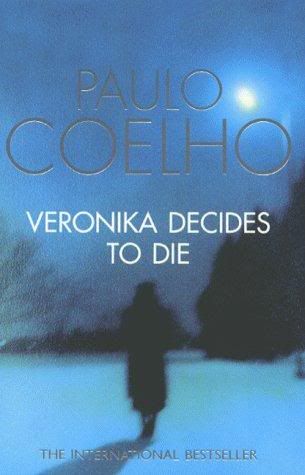
Paulo Coelho: Veronika Decides to Die (1998)

"When she opened her eyes, Veronika did not think 'this must be heaven'. Heaven would never use a flourescent tube to light a room, and the pain - which started a fraction of a second later - was typical of the Earth. Ah, that Earth pain - unique, unmistakable."

I'm bending the limits of my movie blog to discuss the book I just finished. Paulo Coelho is one of the most read and loved authors all over the world, and for a reason. He tells life-changing stories about normal people, and conveys positive energy, inspiration and spirituality to the modern world, so much in need of just those things.

Veronika Decides to Die was the second book I read by Coelho. (The first one was Zahir, which I didn't like that much.) It tells the story of Veronika, a young Slovenian woman, who appears to have it all: beauty, a job, a loving family. And yet she's not happy: for her, the future just doesn't seem worth living. So she decides to kill herself. However, she doesn't succeed. She ends up in Villete, a local mental hospital, where she's told the sleeping pills she took damaged her heart and she has only a few days left before it collapses. During those days she learns to value every moment and finds joys she'd never experienced before.

Needless to say, the book was very good. The mental hospital is a very fascinating setting, and my favourite parts of the book descussed specifically the concept of 'mad'. See, the book doesn't only concentrate on Veronika, it tells the stories of other inmates of Villete, too. The line between what is considered 'normal' and what 'mad' is incredibly narrow, and really, we're never that far from slipping to that other side. Which is a bit scary thought, but also somehow soothing. Being 'mad' isn't descriped as something too bad. Mostly is just caused by a reaction to a situation in life, or a way to cope.

The book also encourages us to be a little 'mad' from time to time - meaning, to do things differing from normal, to try things you'd usually try only in your wildest dreams, to take changes and leaps of faith. It has some very wonderful thoughts in it, and it really makes you think about the value of your own life, too.

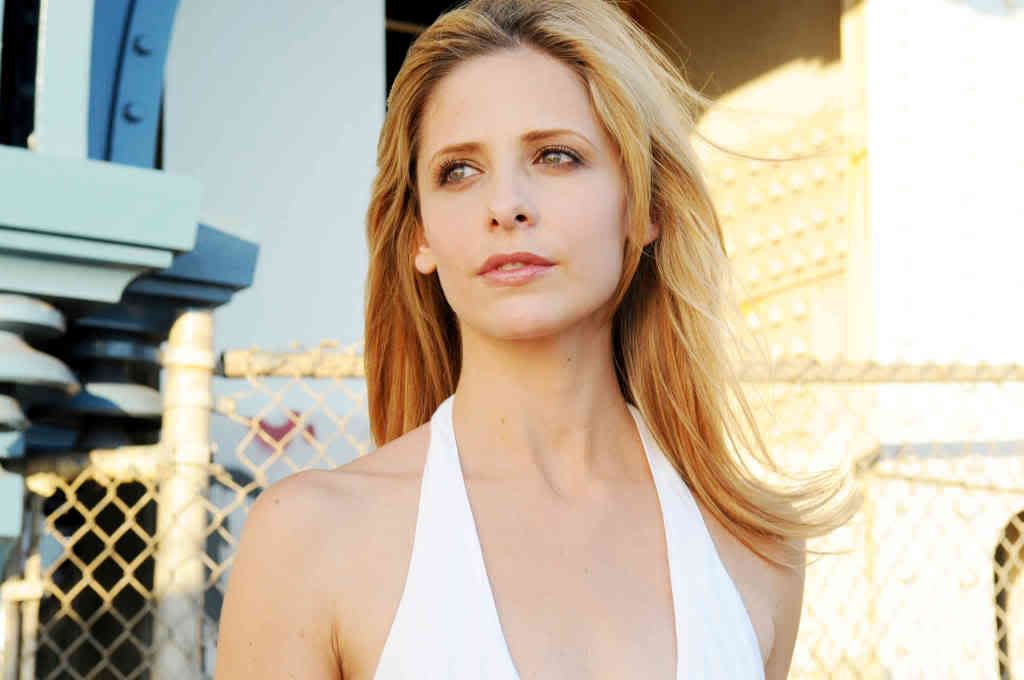
Hollywood reacted to the huge popularity of the book and made a film about it in 2009, with Sarah Michelle Gellar (I first accidentally wrote Sarah Jessica Parker. Thank god not her.) playing Veronika. I'm going to see the film, but a bit suspiciously, afraid they've either Americanized the story or made it just... blah. (Like The Boy in the Striped Pyjamas. The book was wonderful, and there wasn't really anything wrong with the movie, but it was just... blah.) Here's the trailer.